Beyond the Felt: Culturele rituelen en gemeenschapsbanden in gereguleerde Nederlandse roulette ruimtes
Taylor Powell · Jun 1, 2026
Beyond the Felt: Culturele rituelen en gemeenschapsbanden in gereguleerde Nederlandse roulette ruimtes
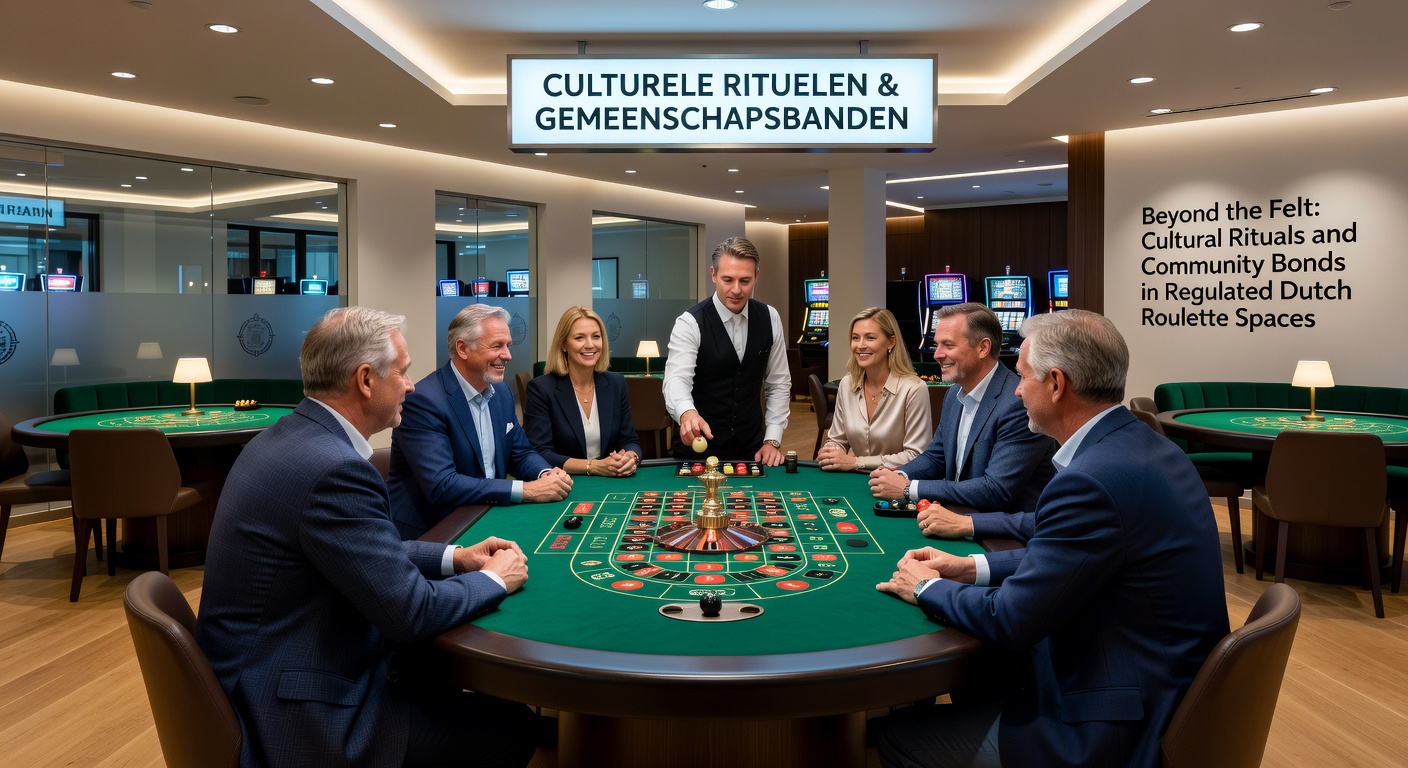
Regulated roulette environments in the Netherlands foster distinct cultural rituals and social connections that extend past the gaming surface itself, where participants engage in shared practices shaped by local traditions and oversight frameworks. Observers note how these spaces, including those operated under licenses from the Kansspelautoriteit, encourage patterns of behavior that build community among players who return regularly to venues like Holland Casino locations.
Traditionele handelingen rond het roulettetafel
Players in Dutch regulated settings often develop specific sequences before placing bets, such as arranging chips in particular orders or exchanging glances with neighbors at the table. Research indicates these actions create a rhythm that participants recognize and replicate across multiple sessions, while data from industry reports shows consistent participation in live dealer formats during peak evening hours. Experts have observed that such routines help newcomers integrate quickly when they follow the established flow without disrupting the pace.
And yet the rituals vary between physical casinos and digital platforms, where chat functions allow users to exchange greetings or celebrate outcomes collectively. Studies from European gaming associations reveal that these interactions strengthen bonds especially in licensed online environments that maintain strict verification protocols introduced in updates around June 2026.
Sociale netwerken die zich ontwikkelen in casino gemeenschappen
Community bonds emerge through repeated visits where individuals recognize familiar faces and share knowledge about table dynamics or dealer styles. According to figures from regulatory monitoring bodies, regular attendance at KSA-approved venues correlates with higher retention rates as players form informal groups that discuss strategies outside formal gaming hours. One case documented by researchers at a Dutch academic institution highlighted how small clusters of enthusiasts coordinated meetups that extended into post-session conversations at nearby facilities.
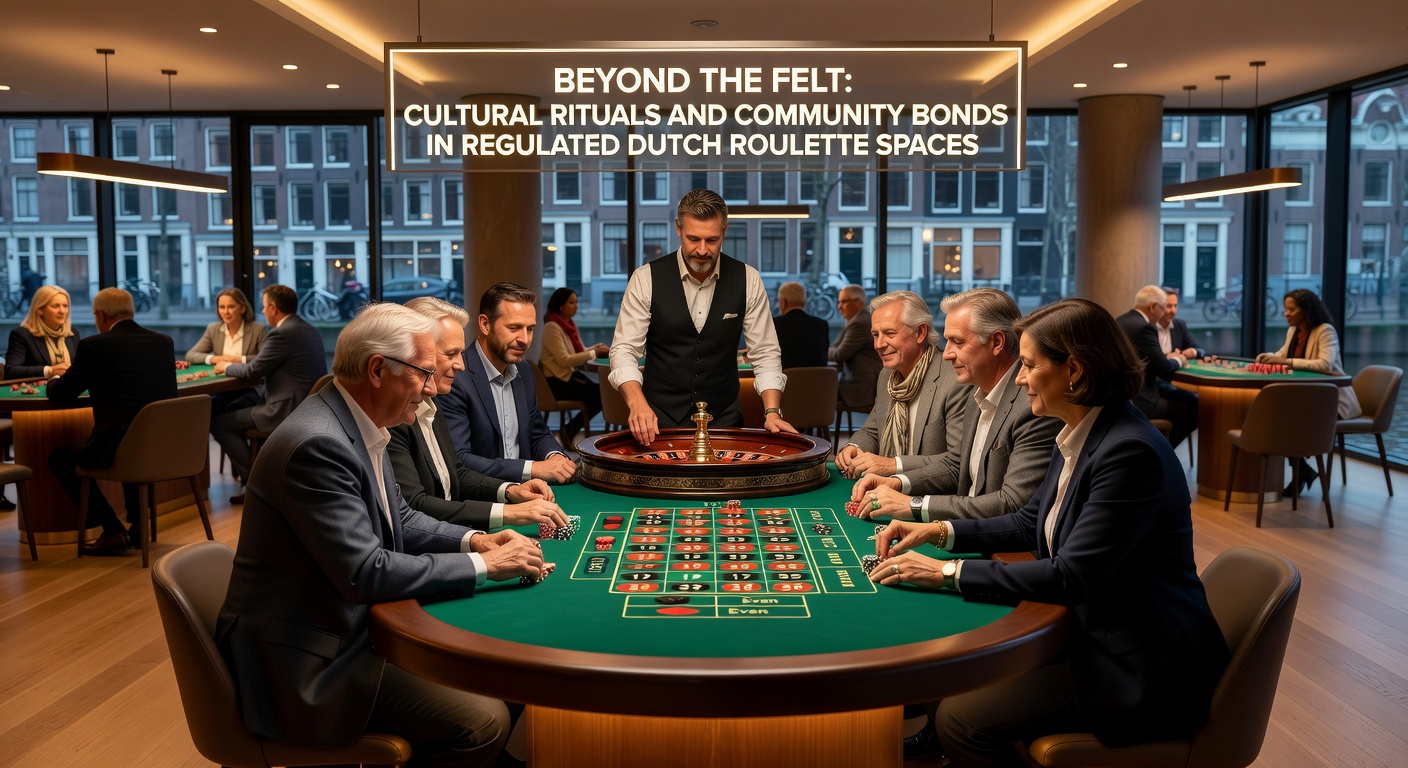
Turns out these connections also appear in virtual spaces where moderated forums tied to licensed operators facilitate discussions about game variants and responsible play guidelines. Data from international trade organizations shows similar patterns in regulated markets across multiple regions, where structured environments promote ongoing engagement without external pressures. What's significant is the way shared experiences around wins or near-misses reinforce group identity among participants who might otherwise remain isolated.
Invloed van regelgeving op rituelen en verbindingen
Regulatory measures enforced by the Kansspelautoriteit shape how rituals unfold by requiring clear signage and time limits that affect pacing at tables. Observers note that these rules encourage players to adapt their pre-bet sequences accordingly, leading to more synchronized group behaviors in compliant venues. Reports from academic sources in Canada further illustrate how oversight in licensed jurisdictions supports community stability by prioritizing transparency in game outcomes and player protections.
But here's the thing: licensed platforms incorporate features like session reminders that players incorporate into their routines, which in turn sustains longer-term participation. Evidence suggests that such integrations help maintain social cohesion as individuals reference these tools during interactions with others at the same virtual table.
Conclusie
Patterns of cultural rituals and community formation continue to characterize regulated Dutch roulette spaces as participants adapt established practices within structured frameworks. Information from government agencies and research institutions confirms that these elements persist across both physical and digital formats, driven by consistent oversight and player interactions. Those who've examined the landscape recognize how these dynamics contribute to sustained engagement in environments that balance entertainment with regulatory compliance.